Visualize your entire publishing schedule at a glance. The editorial calendar ensures you maintain a steady drumbeat of content that keeps readers coming back.
Stop guessing which keywords to target. Use the dedicated tracker to monitor search volume and competition, ensuring every post has the best chance to rank.
Every post planning page features a fixed header and structured H2 rows. This framework helps you organize your thoughts and write faster than ever before.
Individual post planning pages for keywords, outlines, and CTA placement.

Pre-publish draft checklists to ensure every post is optimized.
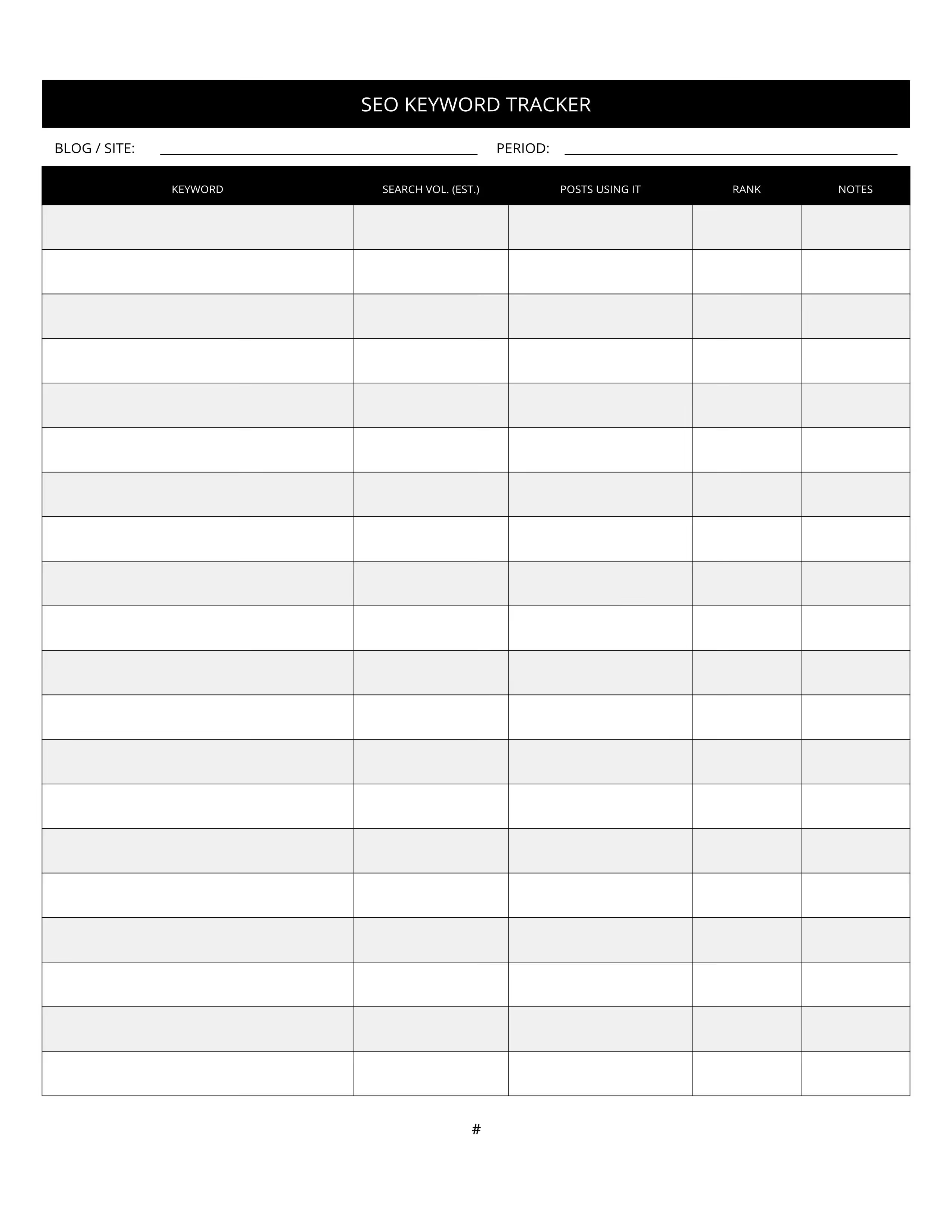
Full-page editorial calendar grid for high-level content scheduling.
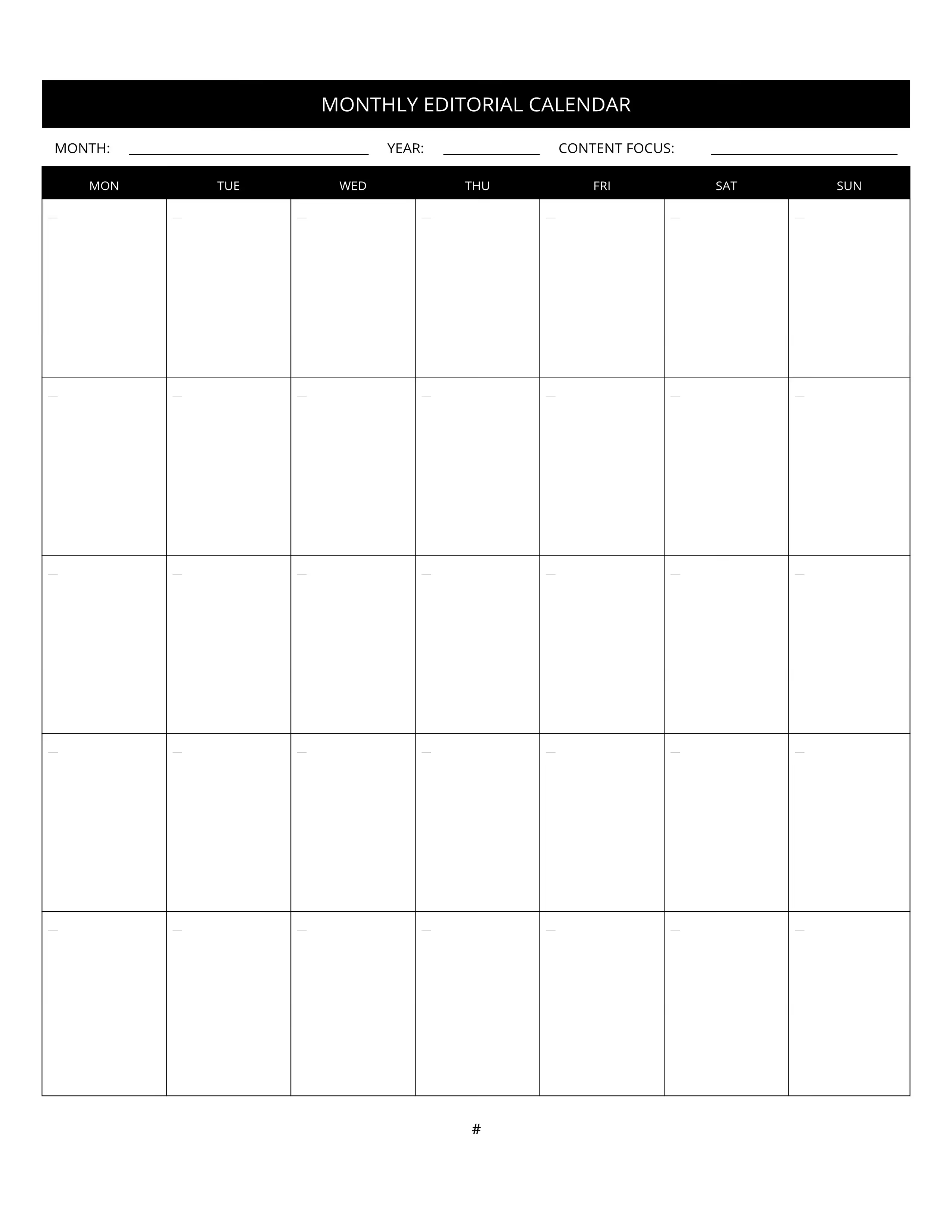
SEO keyword tracker and monthly blog stats summary.
Welcome to the Blog Post Planner — your complete six-month system for organizing your editorial calendar, planning every post from first idea to final publish, and tracking the SEO and traffic metrics that tell you what is working. Whether you publish once a week or multiple times a week, this planner gives you the structure to stay consistent, strategic, and ahead of your schedule.
Each month opens with four reference and tracking pages before any post planning begins. The Monthly Editorial Calendar is a full-page grid where you map your publishing dates at a glance. Write each post title or topic in the corresponding cell for the day you plan to publish it. This gives you an instant view of your content cadence for the month and makes it easy to spot gaps or clustering.
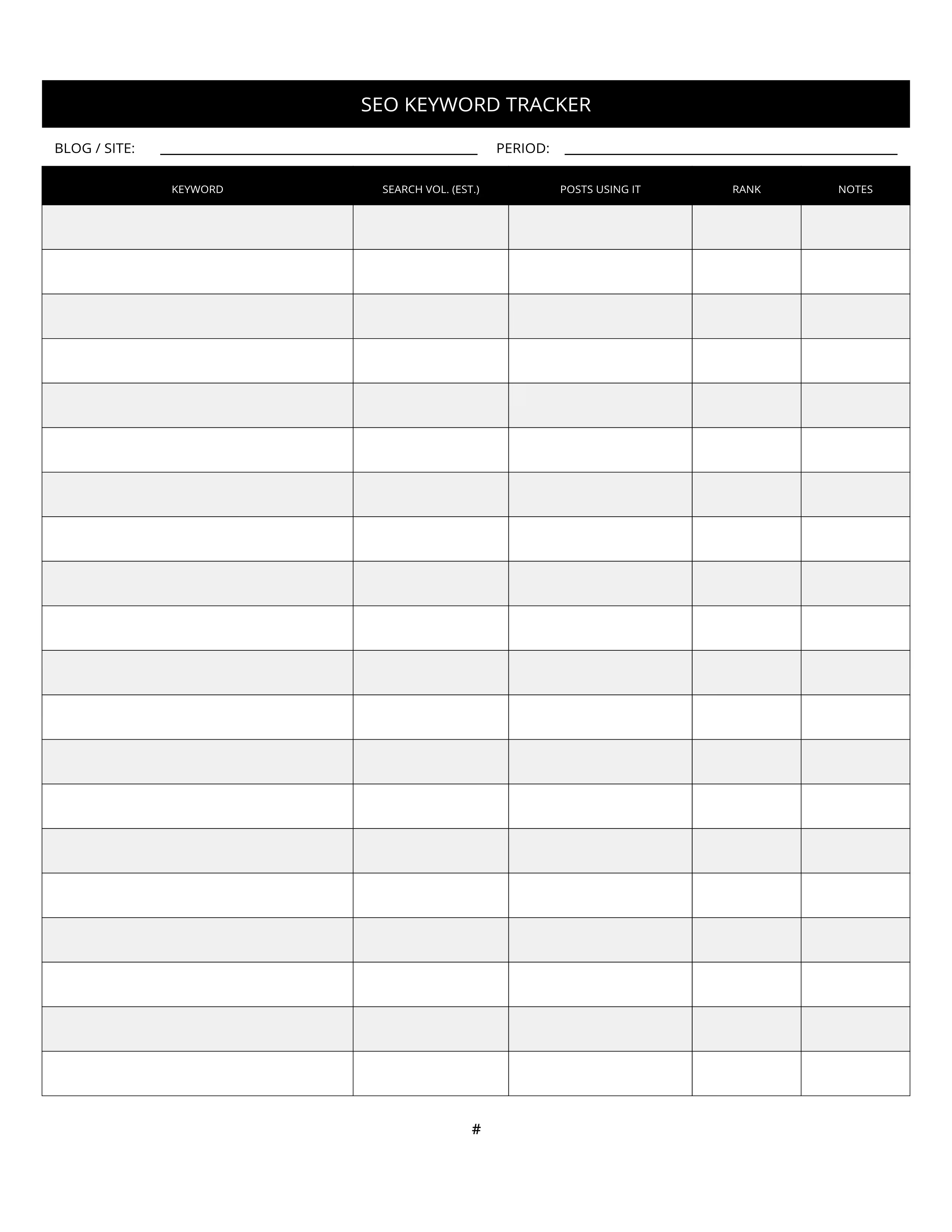
The SEO Keyword Tracker follows the calendar. Use this table to capture every keyword you are actively targeting, along with your estimated search volume, how many posts are using that keyword, and your current rank. Updating this page once a month keeps your keyword strategy visible and lets you spot which keywords deserve more content and which are already well-covered.
The Blog Stats Tracker is a full-year table where you log your monthly performance numbers — total visitors, page views, your top-performing post, and email signups. Fill in the current month's row at the close of each month. Over six months, patterns will emerge that tell you which content types, topics, and publishing frequencies drive the most growth.
The Draft Checklist is a two-column pre-publish reference page covering writing quality, SEO, technical setup, and promotion planning. Use it as a final check before you hit publish on every post. Print it once and reference it throughout the month, or check off the items directly in the planner for each post you complete.
After the four reference pages, the rest of each month is made up of thirteen individual Blog Post Planning pages. Each page walks one post from concept to publish-ready. Start with the post title and the keyword you are targeting, then fill in your intended word count, publish date, and status. The structured outline section gives you nine labeled rows to map out your hook, introduction, up to five main points or H2 sections, conclusion, and call to action. Write a draft of your meta description in the field provided. At the bottom, a two-column pre-publish checklist mirrors the full Draft Checklist page, giving you a quick final pass on writing, SEO, and technical readiness before you schedule the post.
The final twelve pages of the planner are lined notes pages. Use them for content brainstorming, keyword research notes, brand voice reminders, reader feedback, or any other ideas that do not belong inside a specific post's planning page.
One planner. Six months. Thirteen posts per month. Plan every word before you write a single one.