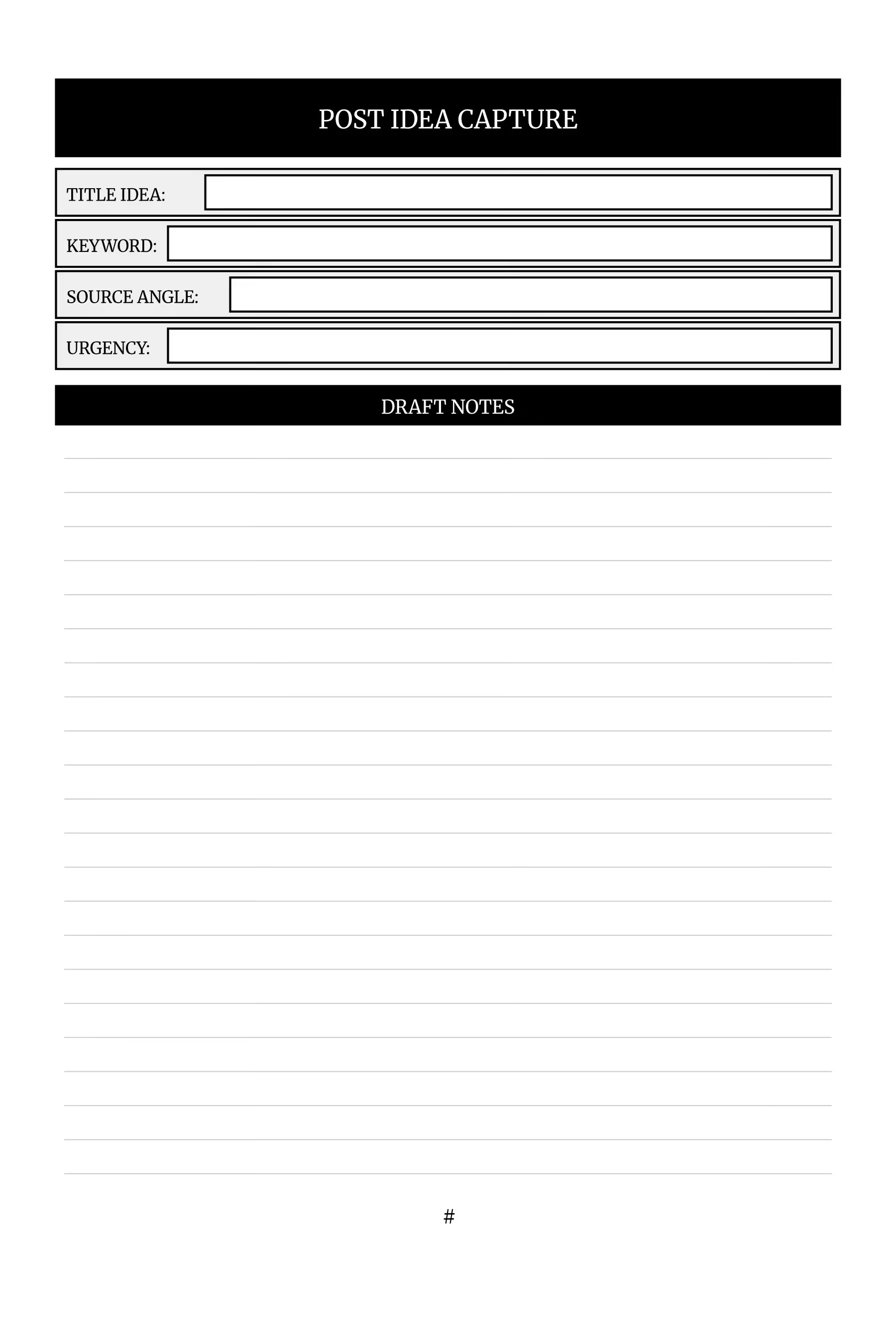
Use the structured header fields to record the title, keyword, and source angle for every new idea. This ensures no great concept ever gets lost in the noise.
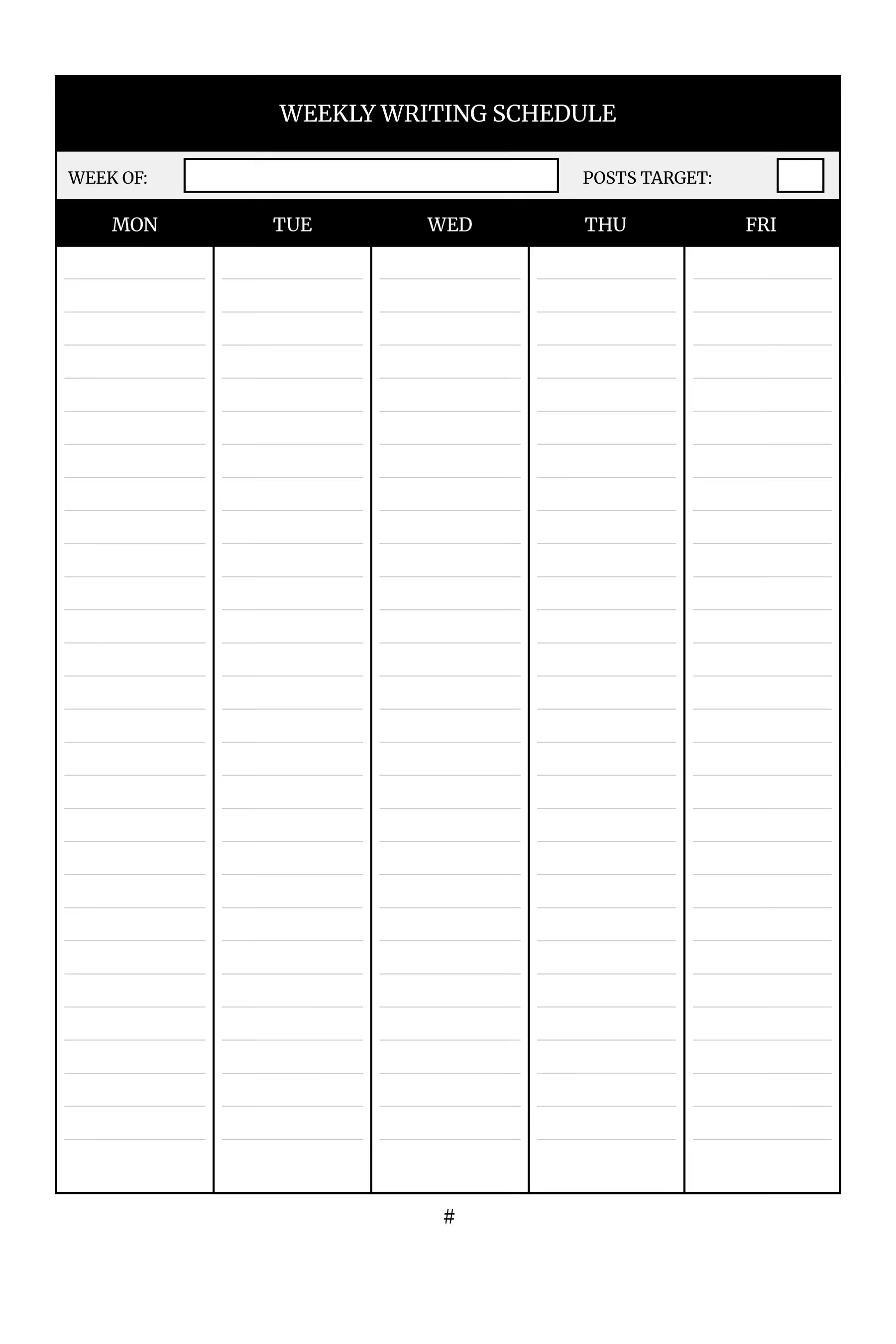
Turn your ideas into drafts with a simple Mon–Fri schedule. By dedicating specific blocks to your writing, you create a sustainable pace for your content.
Maintain a quick-reference guide for your target keywords and intent. Keeping your SEO goals visible ensures every post is built for search from the very first draft.
Post idea capture pages with fields for keyword, source, and urgency.
Five-block weekly writing schedule for focused Monday–Friday productivity.
Content theme pages to define your monthly focus and messaging.
SEO quick-reference trackers and flexible blank drafting pages.
Welcome to the Post Content Planner — a six-month portable notebook for bloggers, newsletter writers, and online course creators who want a simple, focused system for capturing post ideas, tracking their SEO research, and planning their writing week by week. Whether you are building a content archive from scratch or trying to stay consistent with a publishing schedule you already have, this planner keeps everything in one organized place.
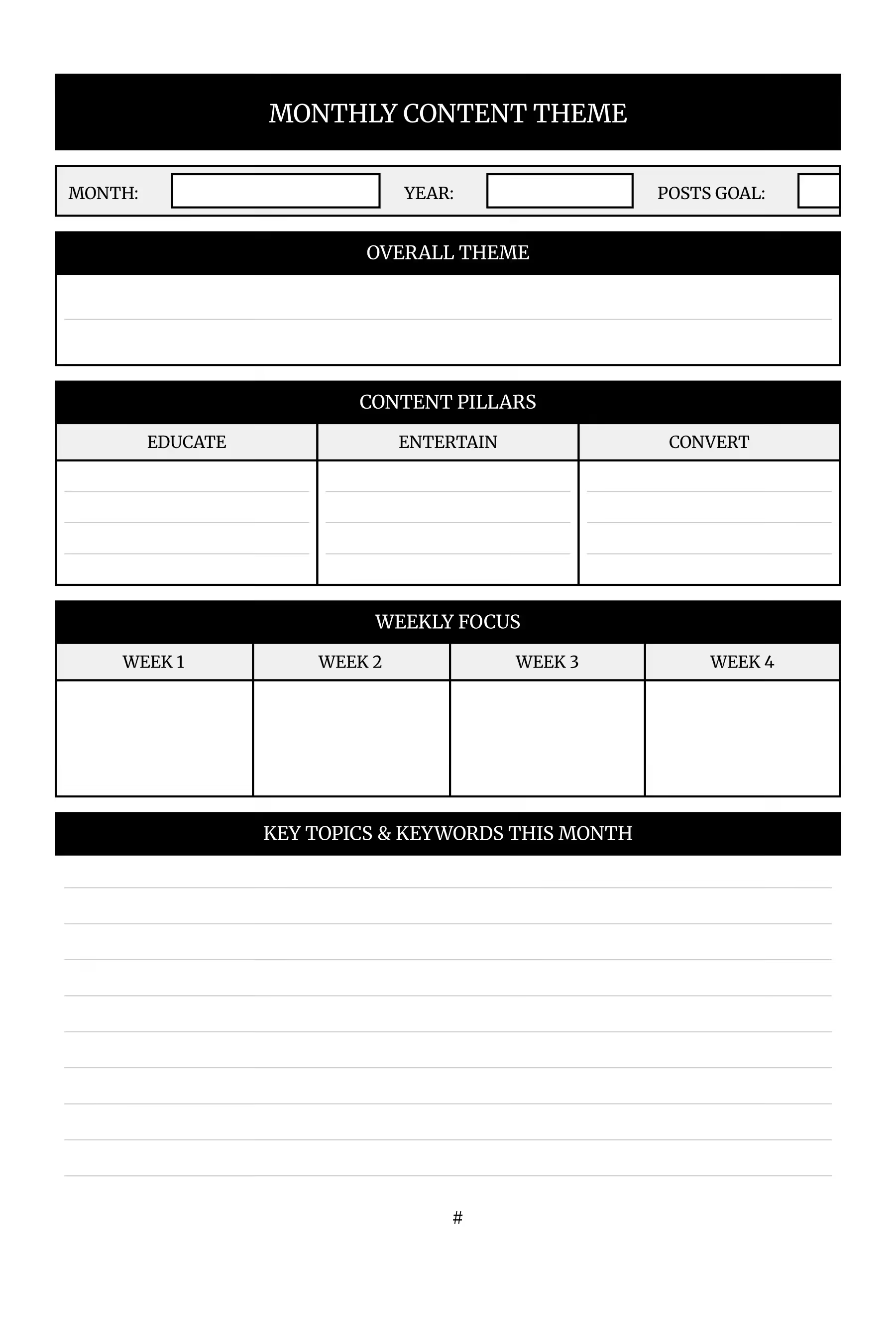
Each month begins with a Monthly Content Theme page. Before you write a single post, use this page to set the strategic direction for the entire month. Name your overall theme, define your three content pillars — what you want to educate on, entertain with, and convert around — and assign a specific focus to each of the four weeks ahead. The key topics and keywords section at the bottom gives you space to write down every search term, question, or subject you want to target during the month. Completing this page at the start of each month means every post you plan has a clear reason for existing, and your content builds toward something rather than just filling space on a calendar.
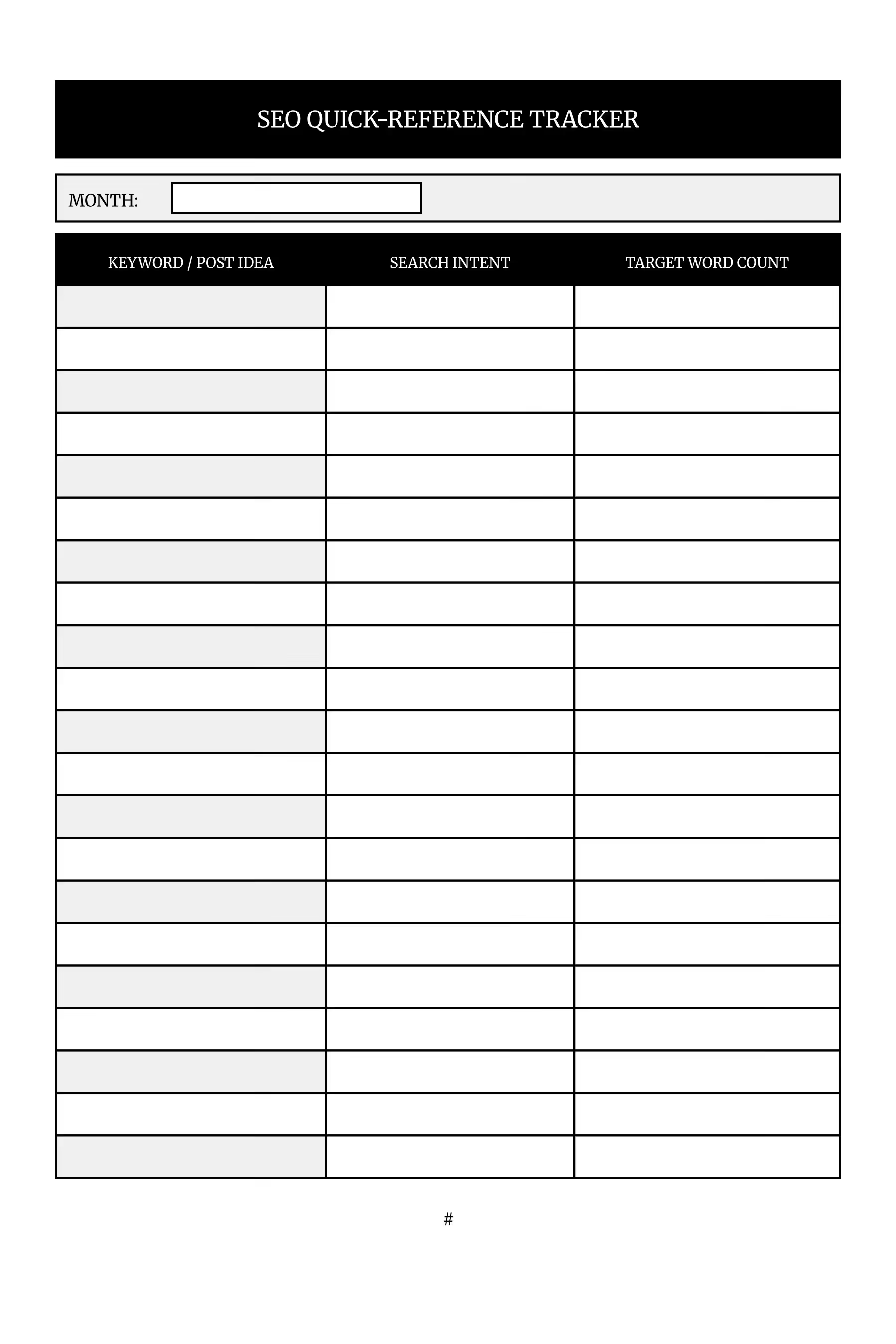
The SEO Quick-Reference Tracker follows immediately after. This three-column table is your keyword research log for the month. For each keyword or post idea you are targeting, record your estimated search intent — whether readers are looking to learn, compare, buy, or navigate — and your target word count for that piece. A shorter informational post might land at eight hundred words. A comprehensive how-to guide might need three thousand. Knowing both before you start drafting saves hours of second-guessing mid-write. Fill this tracker in during a single research session at the start of the month, then reference it every time you plan an individual post.
The rest of each month is organized into four weekly blocks. Each weekly block opens with a Weekly Writing Schedule — a five-column page divided by day, Monday through Friday, with generous lined space in each day's column. Use this page to block out your writing sessions for the week, note which post you are working on each day, and track your daily output. The open format lets you use it as a simple writing log, a session planner, or both. Bloggers who write in the morning often use this page to set a daily word count intention and check it off as they go.
The Post Idea Capture page follows each weekly schedule. Each capture page has four structured fields at the top — Title Idea, Keyword, Source Angle, and Urgency — followed by a full page of lined draft space. The Source Angle field is where you record the specific perspective, hook, or unique take that will make your post different from every other post ranking for the same keyword. The Urgency field helps you triage: is this a timely topic you need to publish this month, or a perennial post that can wait? Fill in the four header fields first, then use the lined section below to start your rough outline, capture your opening hook, or draft any section before you sit down to write in full.
Each month also includes four blank drafting pages — open, unlined white space for when you need to sketch an outline visually, map out a content series, or simply write without constraints. These pages are intentionally plain.
Eight notes pages round out each month. Use them for keyword research notes, reader questions worth turning into posts, brand voice reminders, affiliate link ideas, or anything else that does not belong in a structured page.
The final twelve pages of the planner are additional lined notes pages for broader content strategy, SEO research, or planning that spans multiple months.
Six months. Every post planned before it is written.