Do not just write write with accuracy. Every section includes stroke order guides to ensure your character construction is technically perfect. By following these professional paths you build the muscle memory required for natural fluid handwriting.
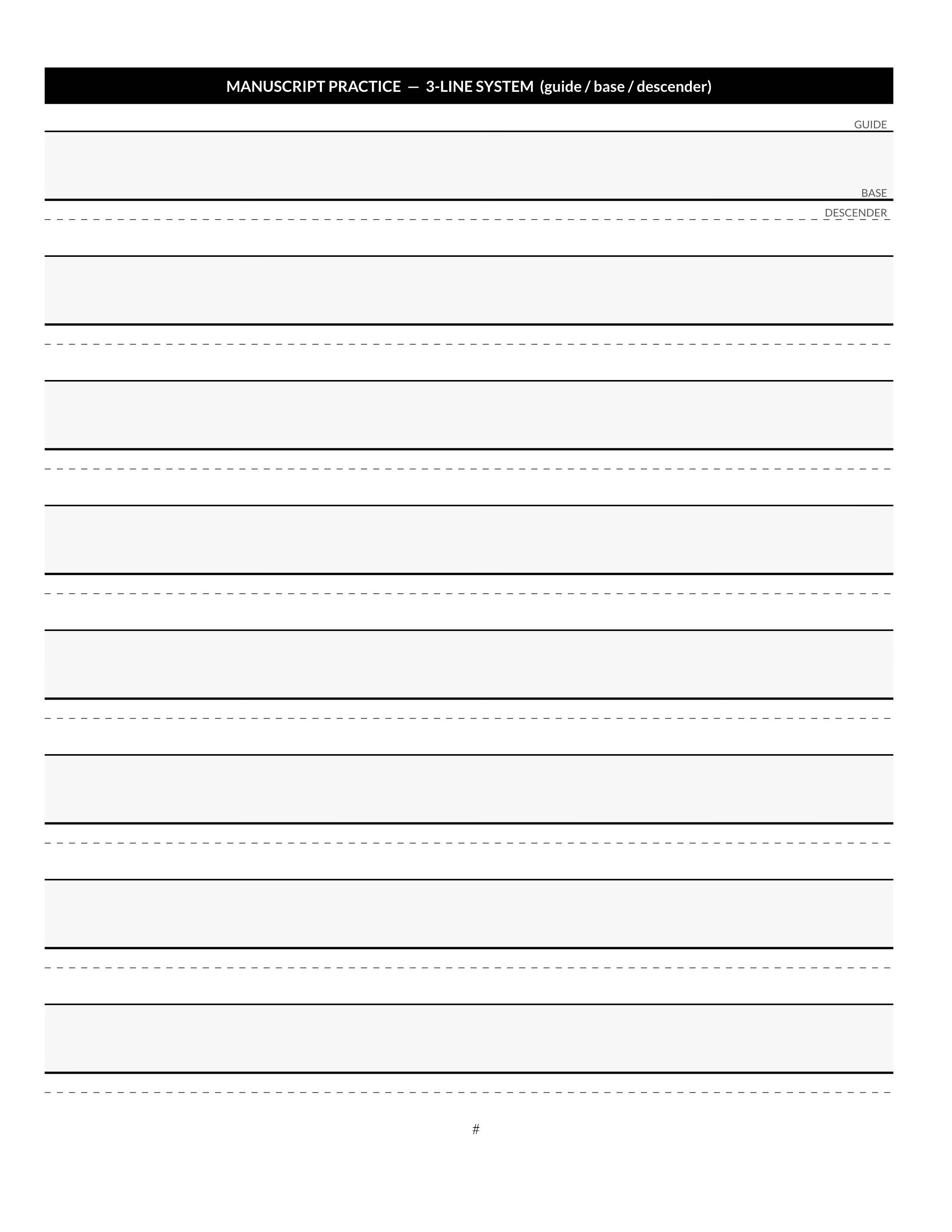
Our three line manuscript system provides the vertical and horizontal guidance needed to balance your characters perfectly. Every row functions as a technical grid for developing the professional consistency found in native handwriting.
Move beyond individual characters and start building words. The vocabulary writing sections allow you to practice real world language while perfecting your script turning every practice session into a step toward fluency.
Ruled Manuscript Practice Rows featuring a three line system for vertical and horizontal balance.
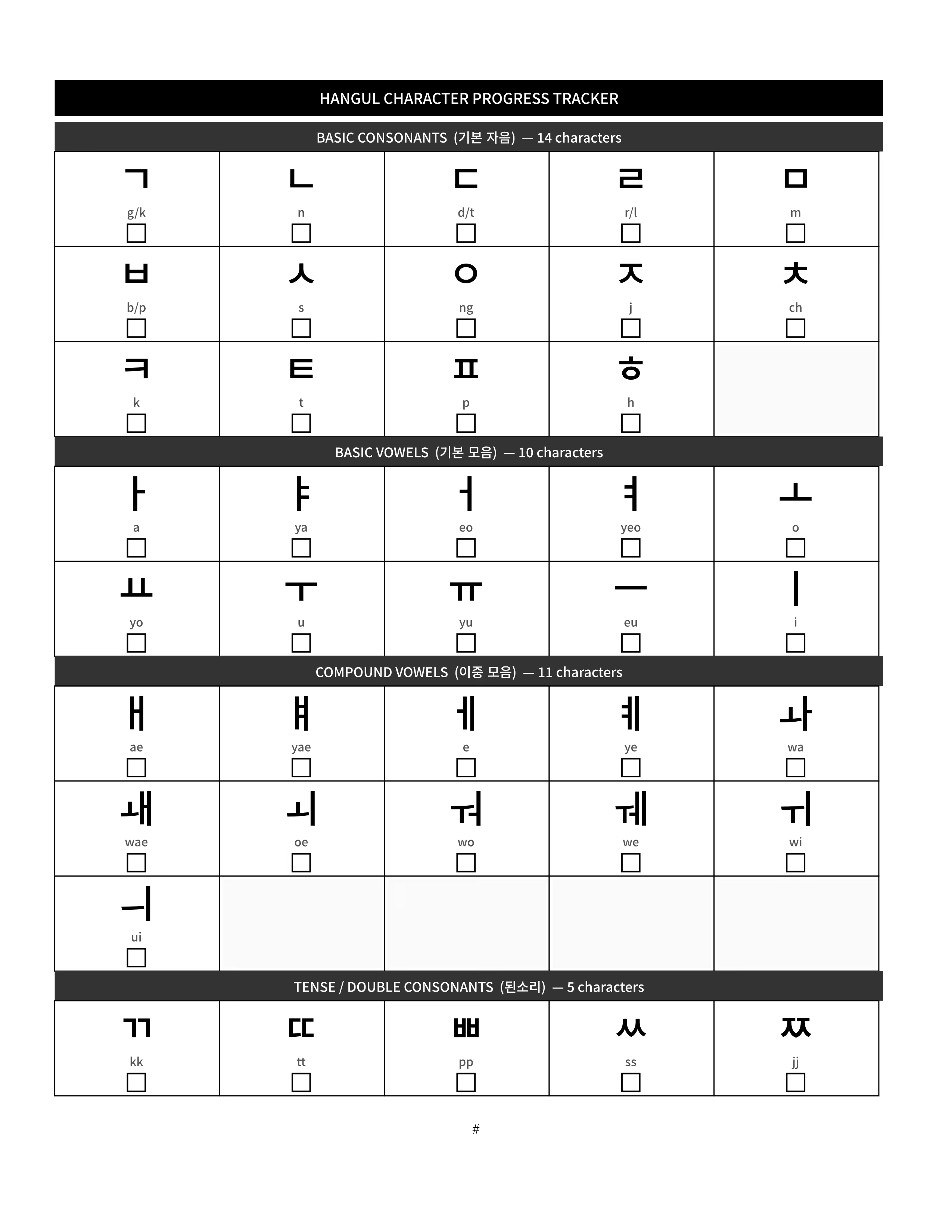
Progress Tracker sessions to log every character mastered and identify areas for review.
Vocabulary Writing sections to transition from character practice to full word fluency.
Stroke order guide pages and syllable block combination grids for technical script perfection.
Welcome to the Korean Hangul Workbook. This book is designed for early-intermediate learners — people who already know the basics of Hangul and are ready to build real handwriting fluency through consistent, structured practice. Every section of this book targets a specific skill, and working through them in order will give you the fastest results.
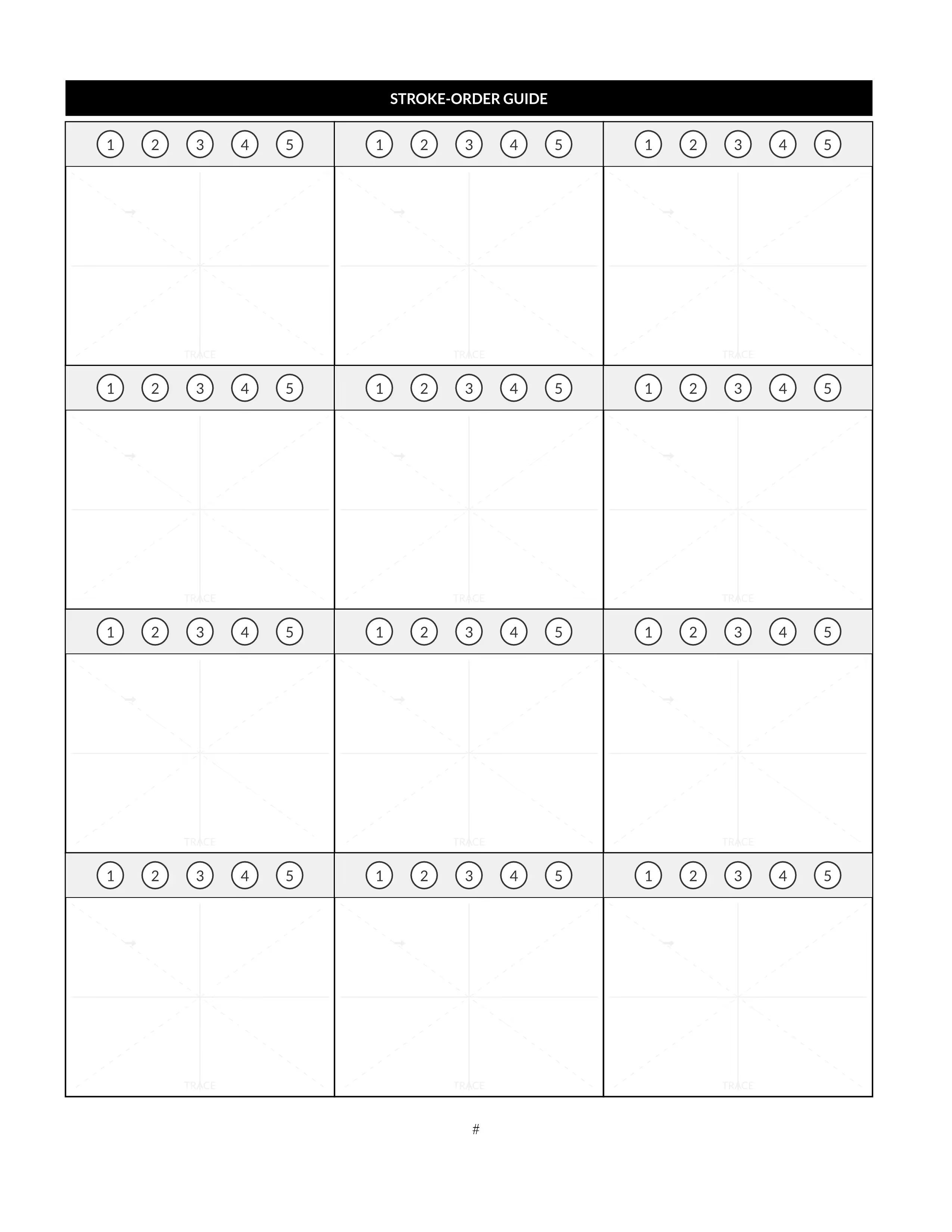
Begin with the Stroke-Order Guide pages. Pages 5 through 16 contain stroke-order diagrams for Korean consonant and vowel groups. Each page has a grid of twelve character boxes, and each box includes a numbered sequence across the top that shows how many strokes the character uses and in what order. Use a pencil to practice inside the larger area below the stroke strip, following the numbered order shown. Getting stroke order right early matters — it affects the flow and balance of your characters as your handwriting speeds up. Use these pages as a reference and return to them whenever you begin working on a new character group.
Move to the Three-Line Manuscript Rows for daily handwriting practice. Pages 17 through 76 give you sixty pages of the three-line ruled system used in professional Korean writing practice. Each row has three lines: the guide line at the top, the base line in the middle where your character should sit, and the descender guide at the bottom. The light gray shaded zone between the guide and base lines marks the main body of the character. Keep the bulk of each consonant and vowel inside this shaded area. The descender zone is for any lower strokes. This three-line format will help you write characters that are consistent in height, angle, and proportion — the foundation of legible Korean handwriting.
Use the Syllable-Block Grid pages to practice full combinations. Pages 77 through 106 contain grids of large square boxes, each sized for one complete Korean syllable block — a combination of one or more consonants and a vowel assembled into a single square unit. Each box has light gray guide lines at the thirds and center to help you distribute your strokes evenly within the square. This is where your individual character practice starts to come together into real, readable Korean. Write full syllable blocks such as 가, 나, 다, and combinations like 한국 or any vocabulary you are studying. Use as many boxes as you need for each syllable before moving on.
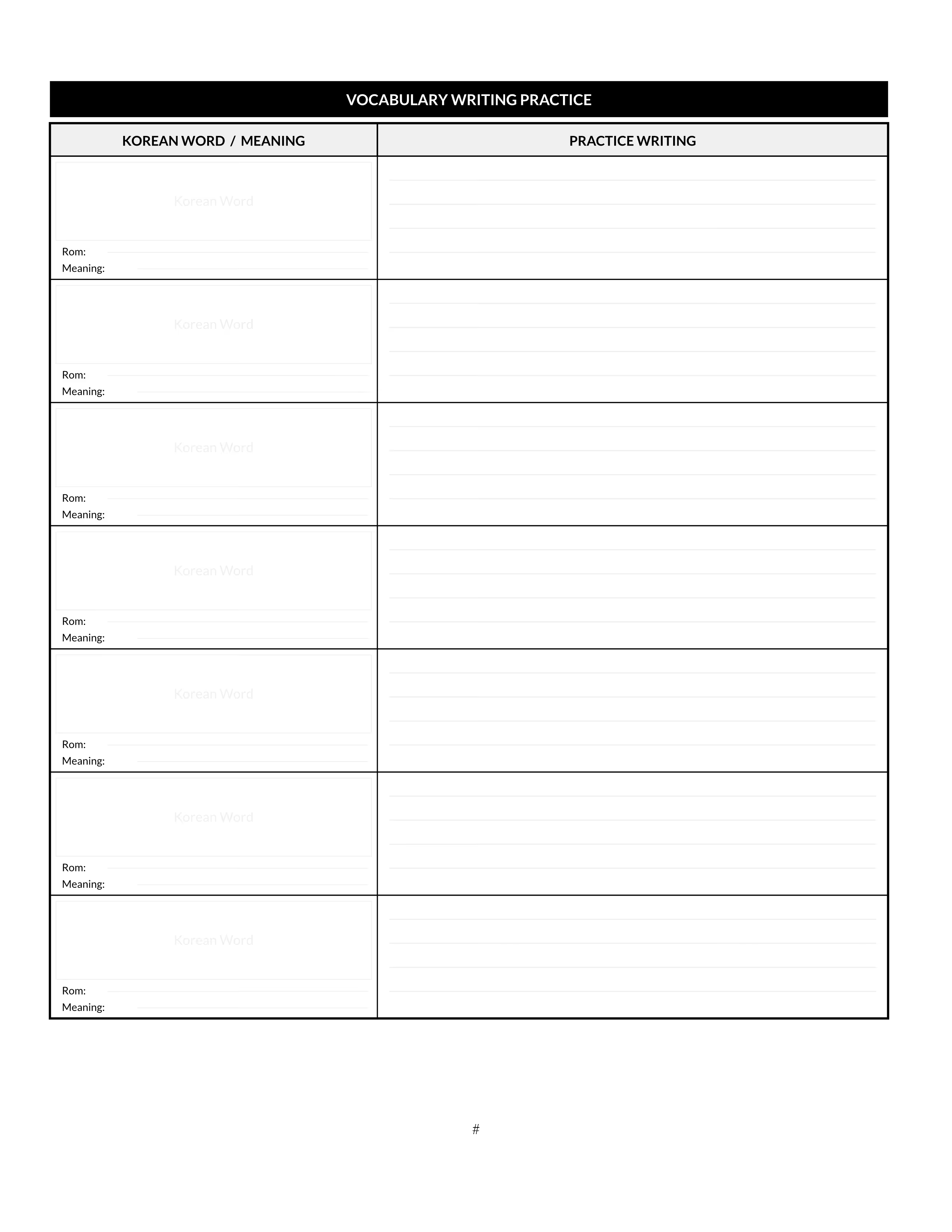
Build your active vocabulary on the Vocabulary Writing pages. Pages 107 through 136 are organized into a two-column layout for vocabulary reinforcement. The left column gives you space to write the Korean word in a bordered practice box, with lines below for the romanization and the meaning. The right column has four ruled practice lines where you write the word repeatedly to build muscle memory. Use these pages alongside your current study materials — write the words you are learning from your textbook, app, or class and use the practice column to drill each one until it feels natural in your hand.
Track your mastery on the Progress Tracker. Pages 137 and 138 display all forty Hangul characters organized into four groups: basic consonants, basic vowels, compound vowels, and tense consonants. Each character cell has a small checkbox at the bottom. Check off a character when you can write it clearly, consistently, and in the correct stroke order without looking at a reference. This page gives you an at-a-glance picture of where you are in your learning and where to focus your next practice session.
Use the Notes pages freely. Pages 139 through 148 are lined pages for anything your practice generates — grammar observations, vocabulary lists, words from a drama or song, phrases you want to memorize, or session notes about what to focus on next. There are no rules for these pages. Use them the way that supports your learning.